Research lines
Non-traditional isotope systems
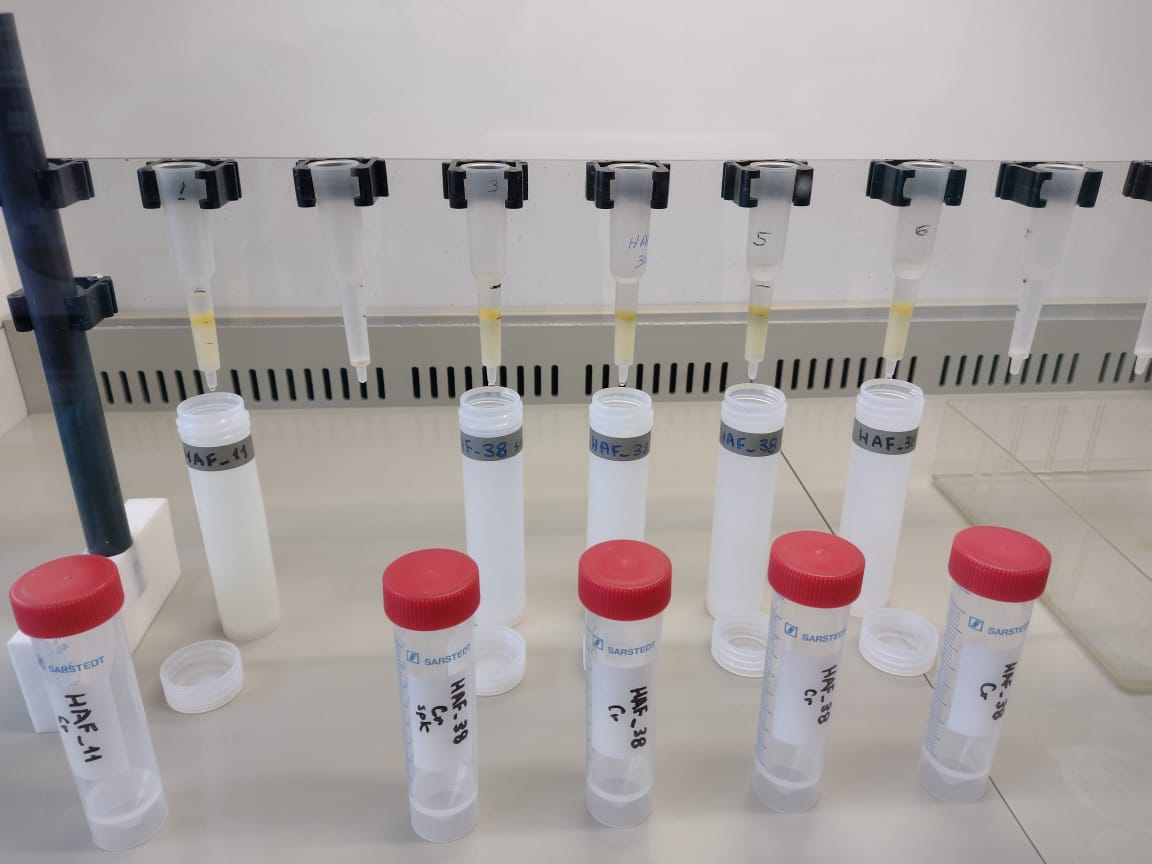
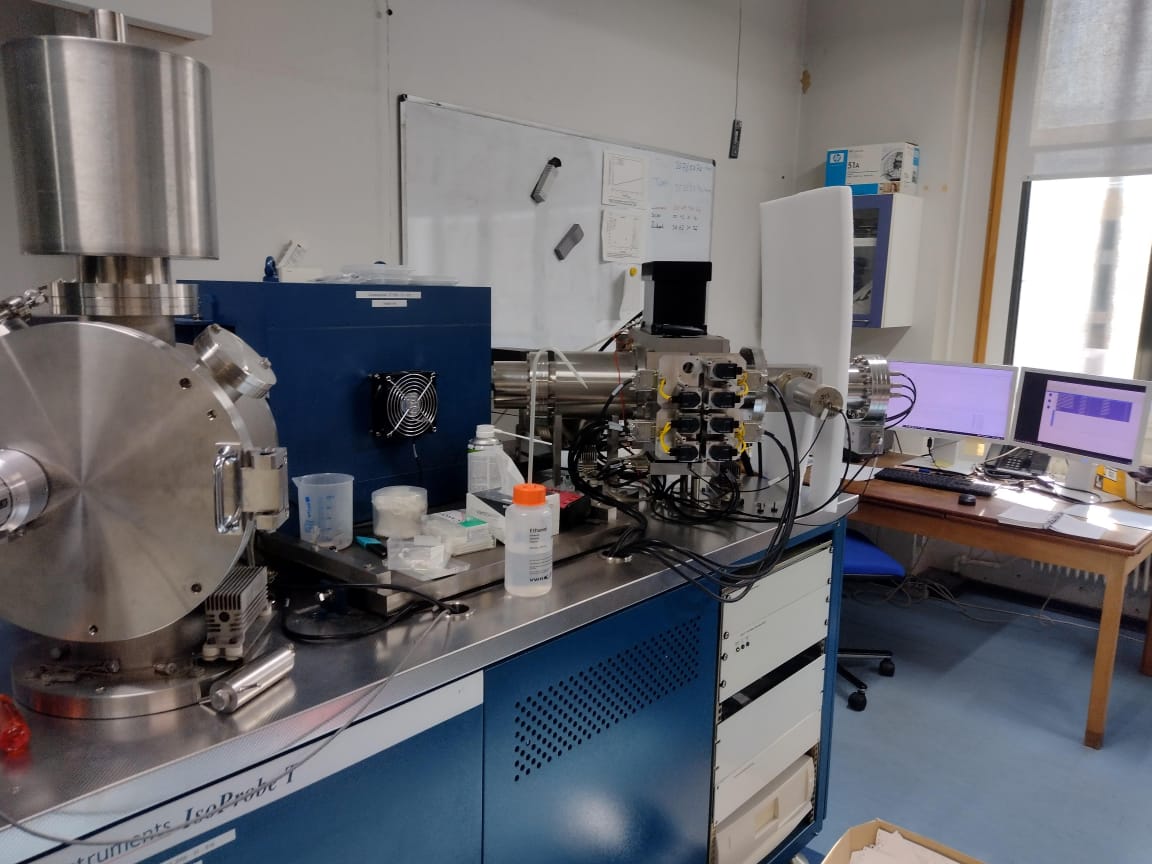
My research explores the application of non-traditional stable isotope systems, particularly chromium (Cr), cadmium (Cd), and zinc (Zn), to reconstruct past environmental conditions. These isotope systems provide valuable insights into the chemical evolution of the Earth’s surface.
By investigating isotopic variations in sedimentary rocks, I aim to better understand changes in atmospheric and oceanic redox conditions, as well as variations in primary productivity throughout geological time. This approach helps unravel the interactions between the geosphere, hydrosphere, and biosphere in Earth’s history.
Corumbá Group: The first Brazilian animals
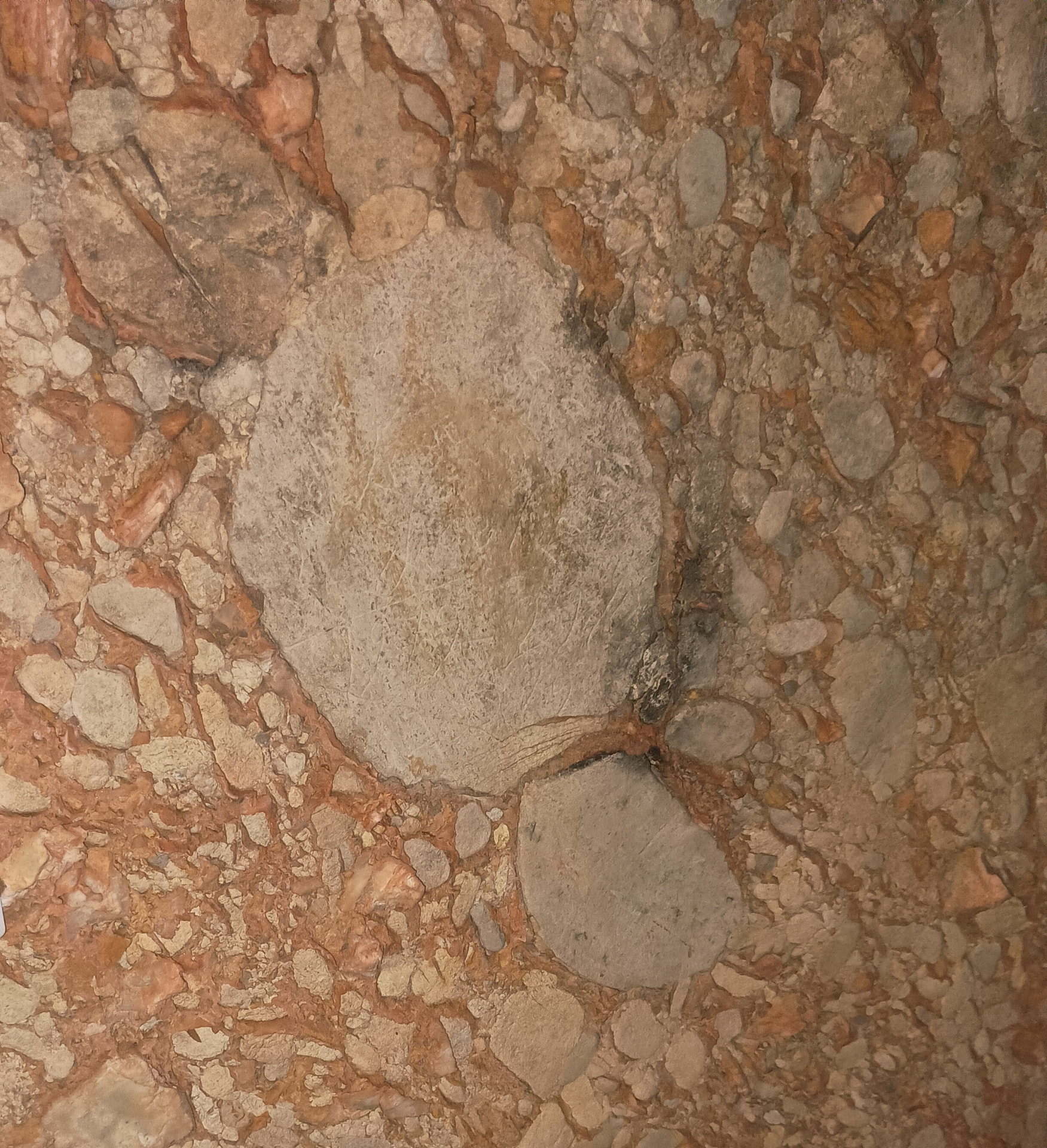
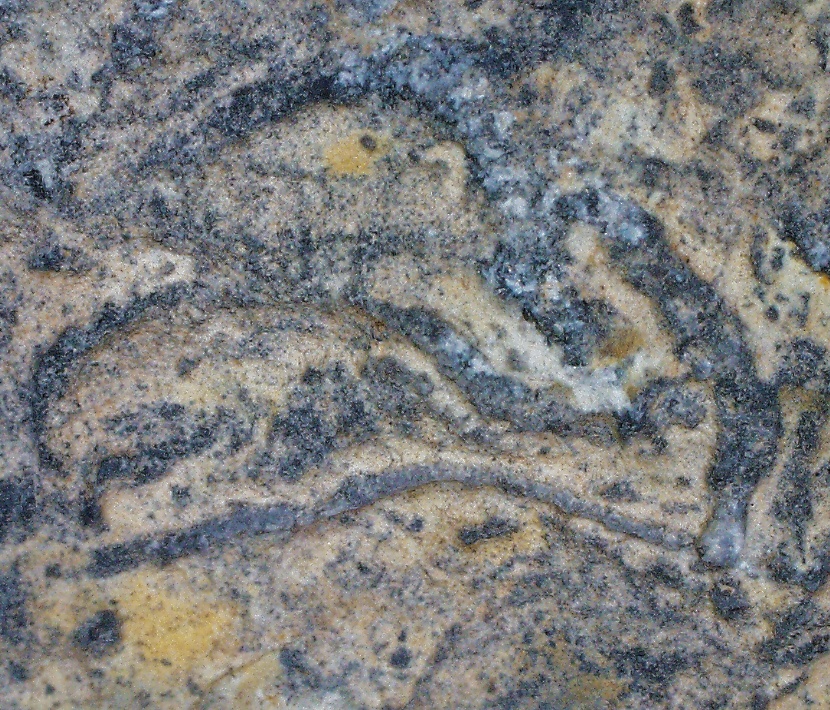
The Corumbá Group records a remarkable chapter in Earth’s history: the Ediacaran Period, when some of the first animals appeared and began to transform marine ecosystems. Its rocks in central-western Brazil preserve fossils such as Cloudina and Corumbella, alongside evidence of major changes in the oceans and climate.
My research uses sedimentology, paleontology and isotope geochemistry to reconstruct these ancient environments. By studying carbon, oxygen, strontium, chromium and cadmium isotopes, as well as rare earth elements, I investigate changes in seawater chemistry, redox conditions, productivity and water circulation, and how these environmental changes relate to the evolution of early animal life.
The ultimate goal is to better understand the relationship between Earth’s changing environments and the early evolution of complex life during the Ediacaran–Cambrian transition.
The GRIND Project and the Neoproterozoic puzzle
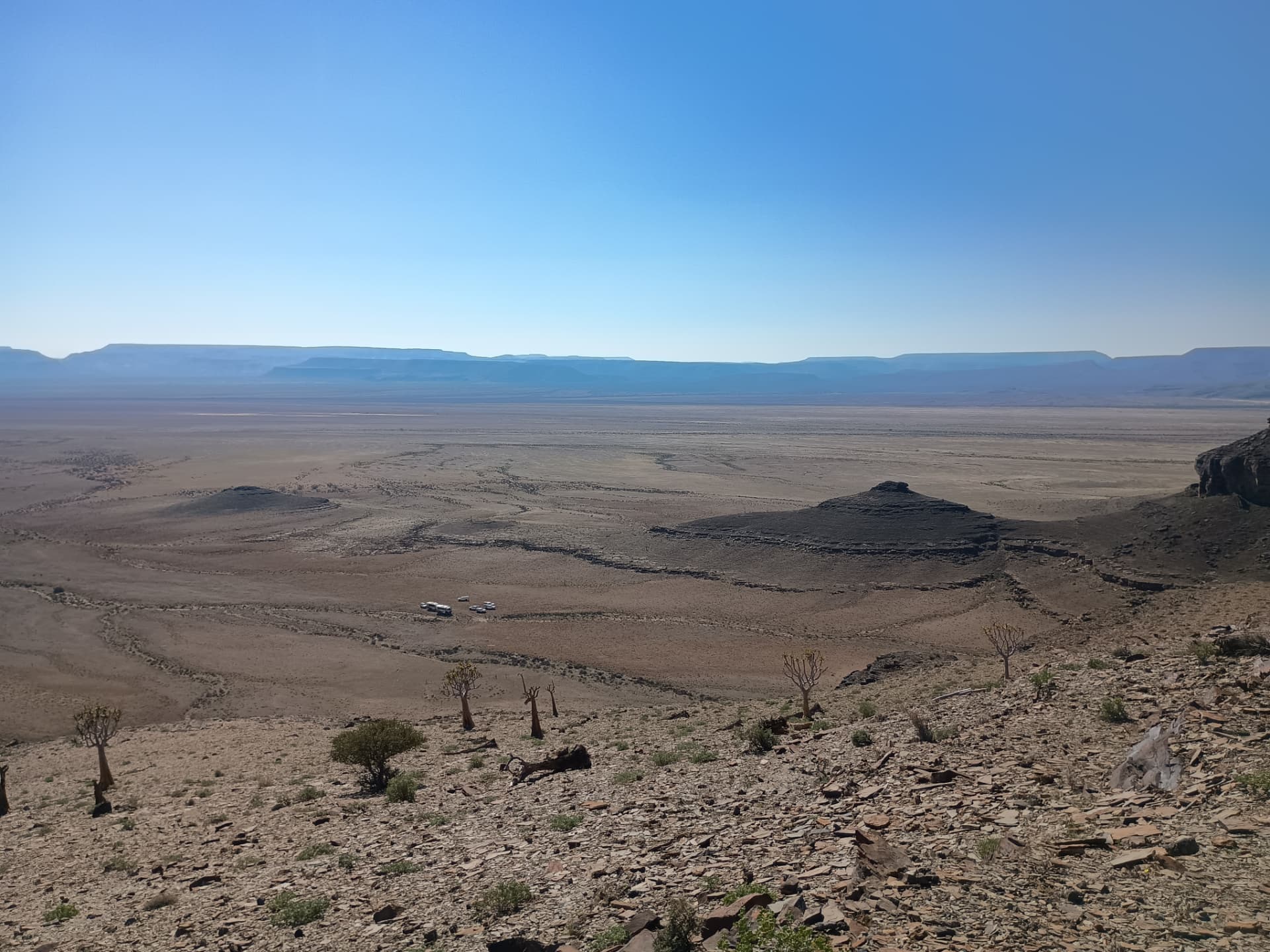
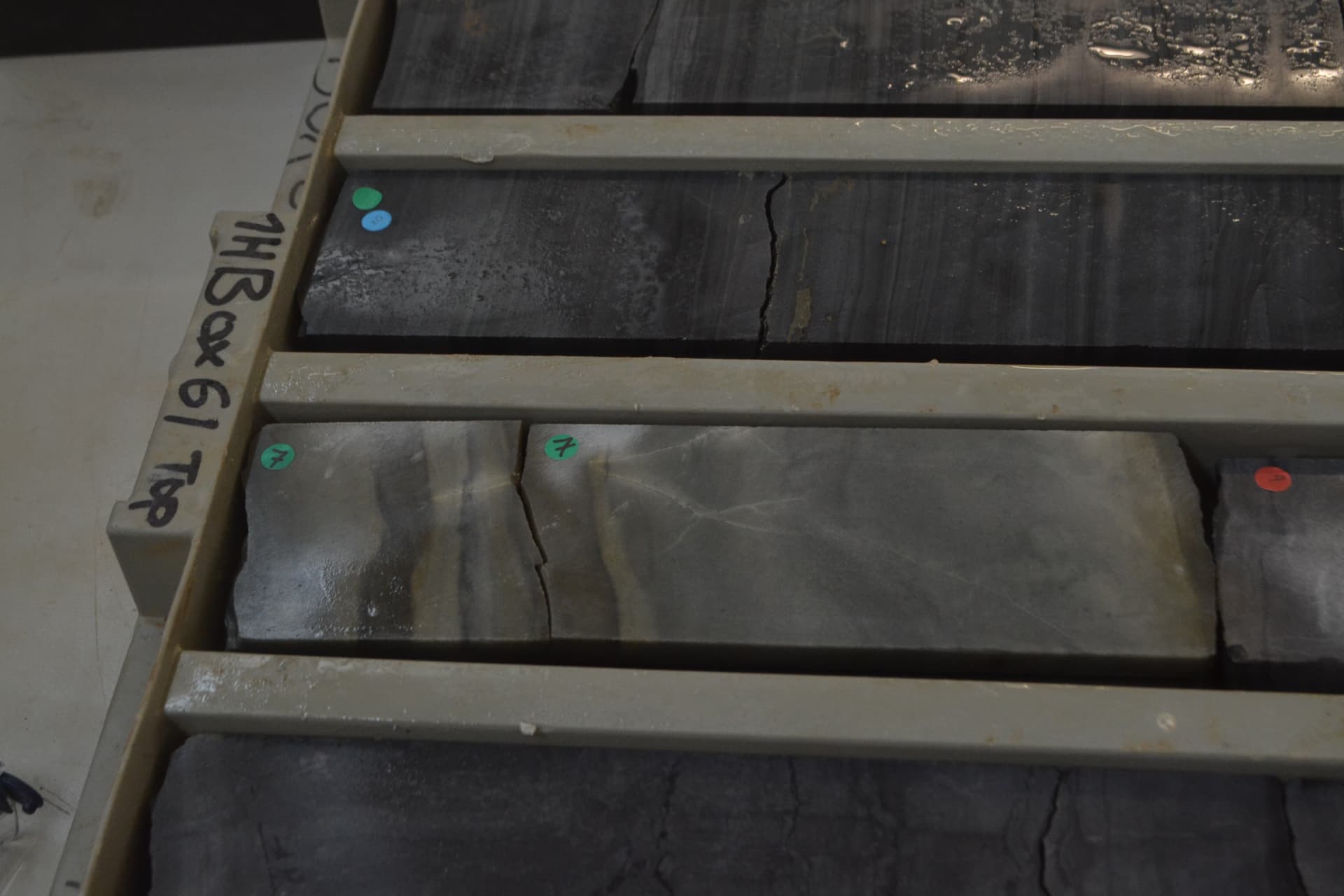
The GRIND project (Geological Research through Integrated Neoproterozoic Drilling) of ICDP (International Continental scientific Drilling Program) seeks to improve our understanding of the Neoproterozoic Era, including its environmental and biological evolution. During its first phase, GRIND-ECT (Ediacaran-Cambrian Transition), drill cores were collected in Brazil and Namibia, providing the material for my research on the geochemical and paleoenvironmental evolution of the Corumbá and Nama groups.
The second phase, GRIND-CRY (Cryogenian), is currently being developed and is directly linked to my postdoctoral research. It will include scientific drilling in Brazil, Namibia, and Oman, generating new material to investigate Cryogenian sedimentary successions and address key questions surrounding Snowball Earth, ocean chemistry, and the evolution of early complex life.
Pseudokarst in SE Brazil and the search for biosignatures
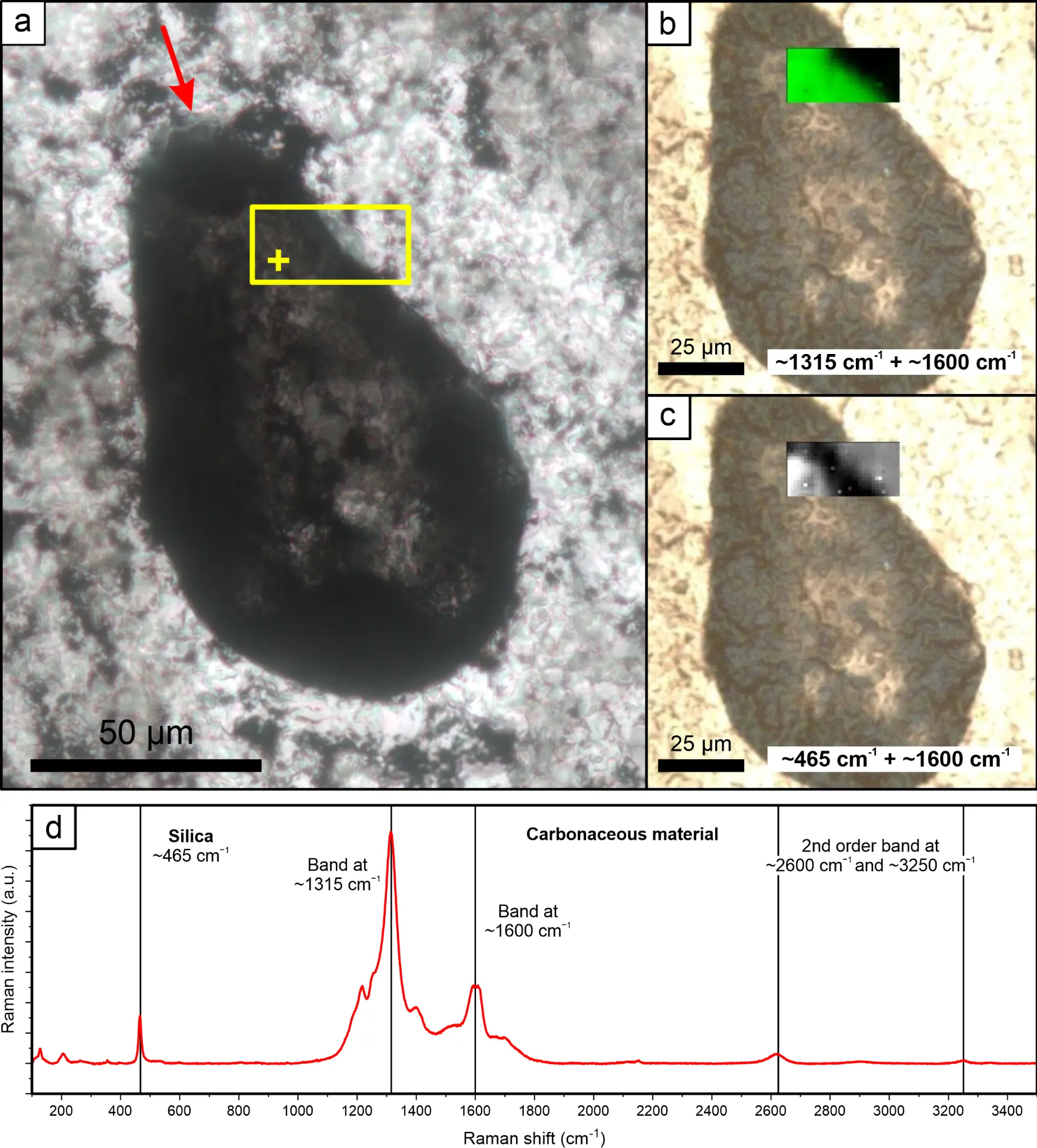
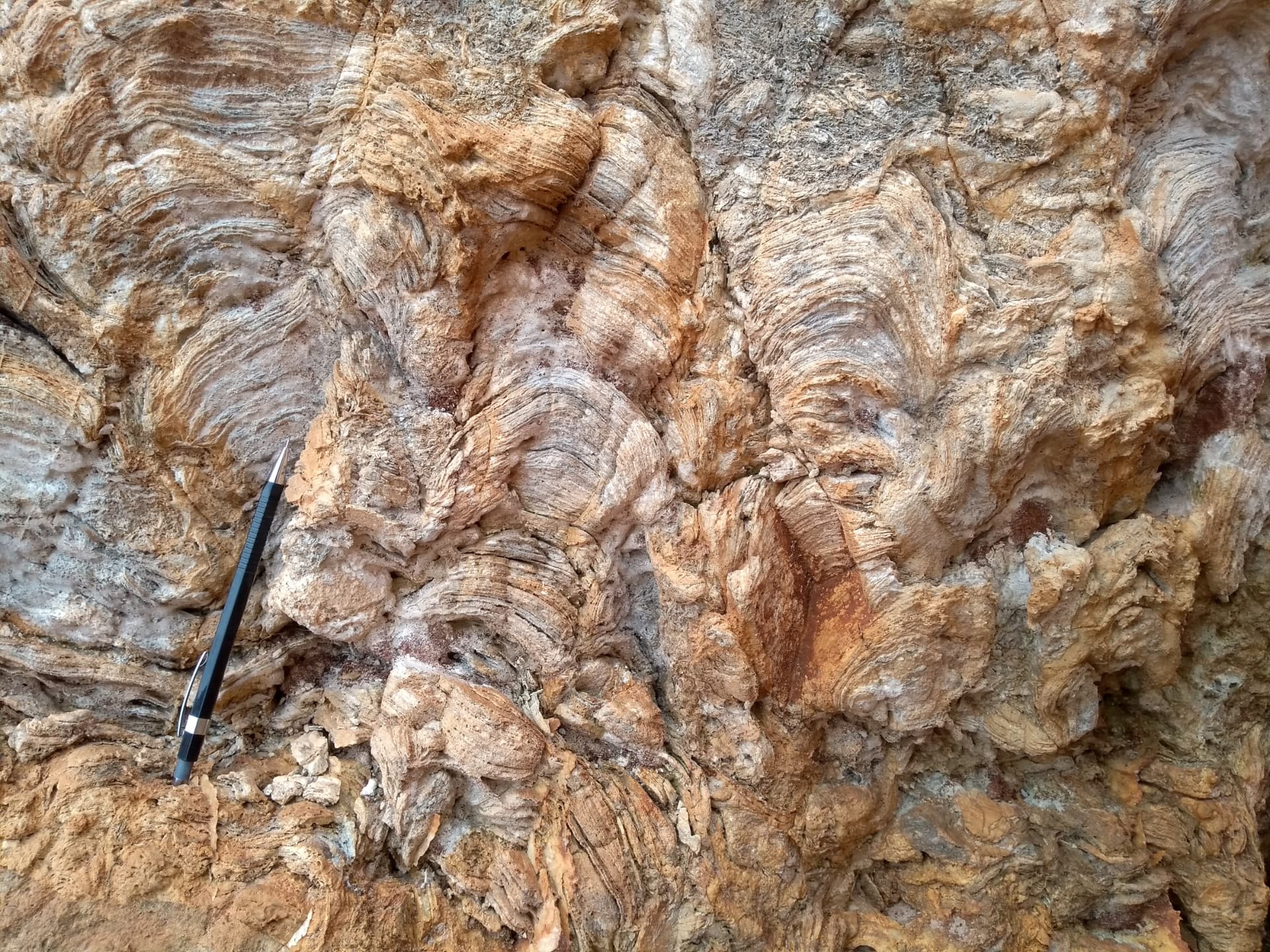
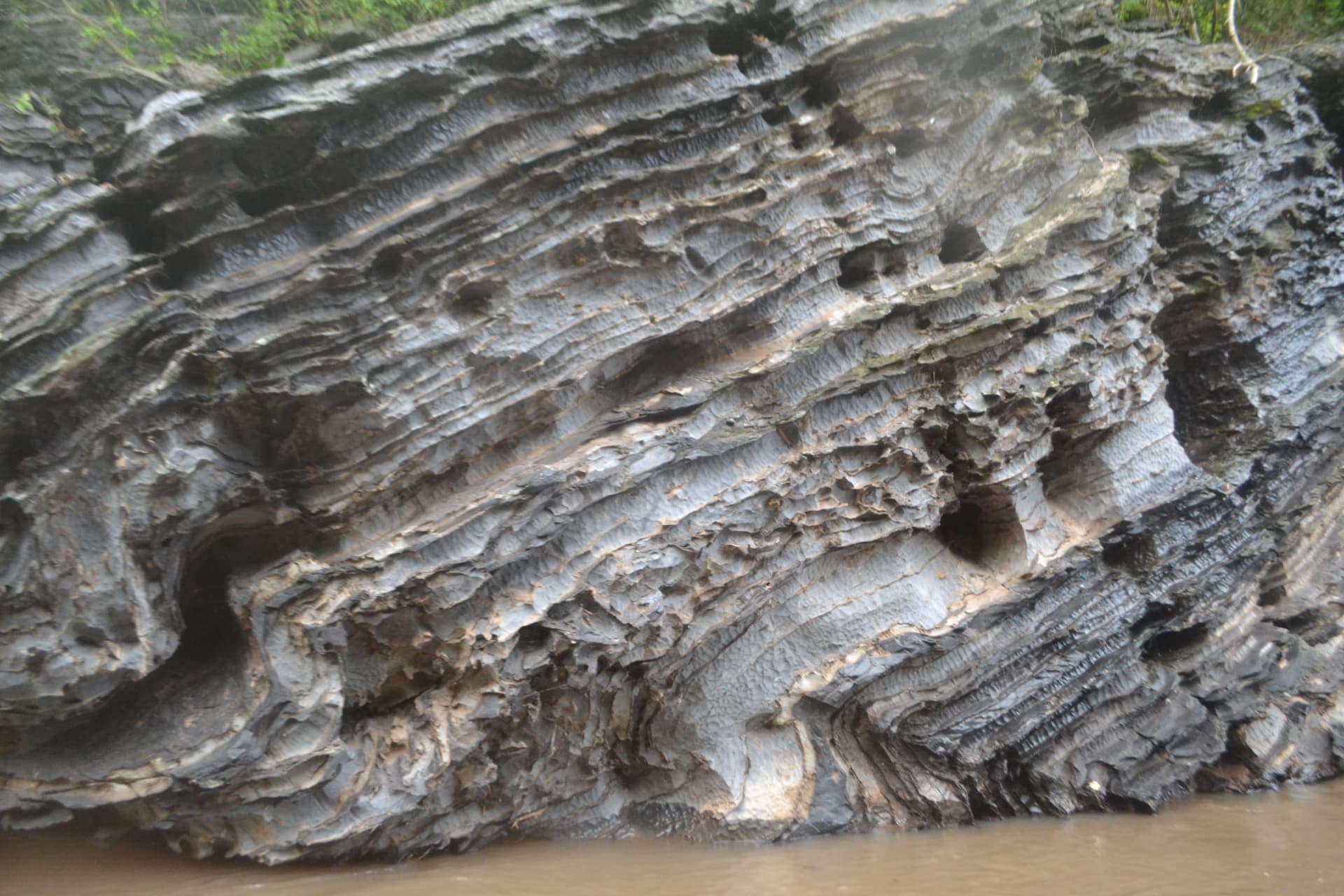
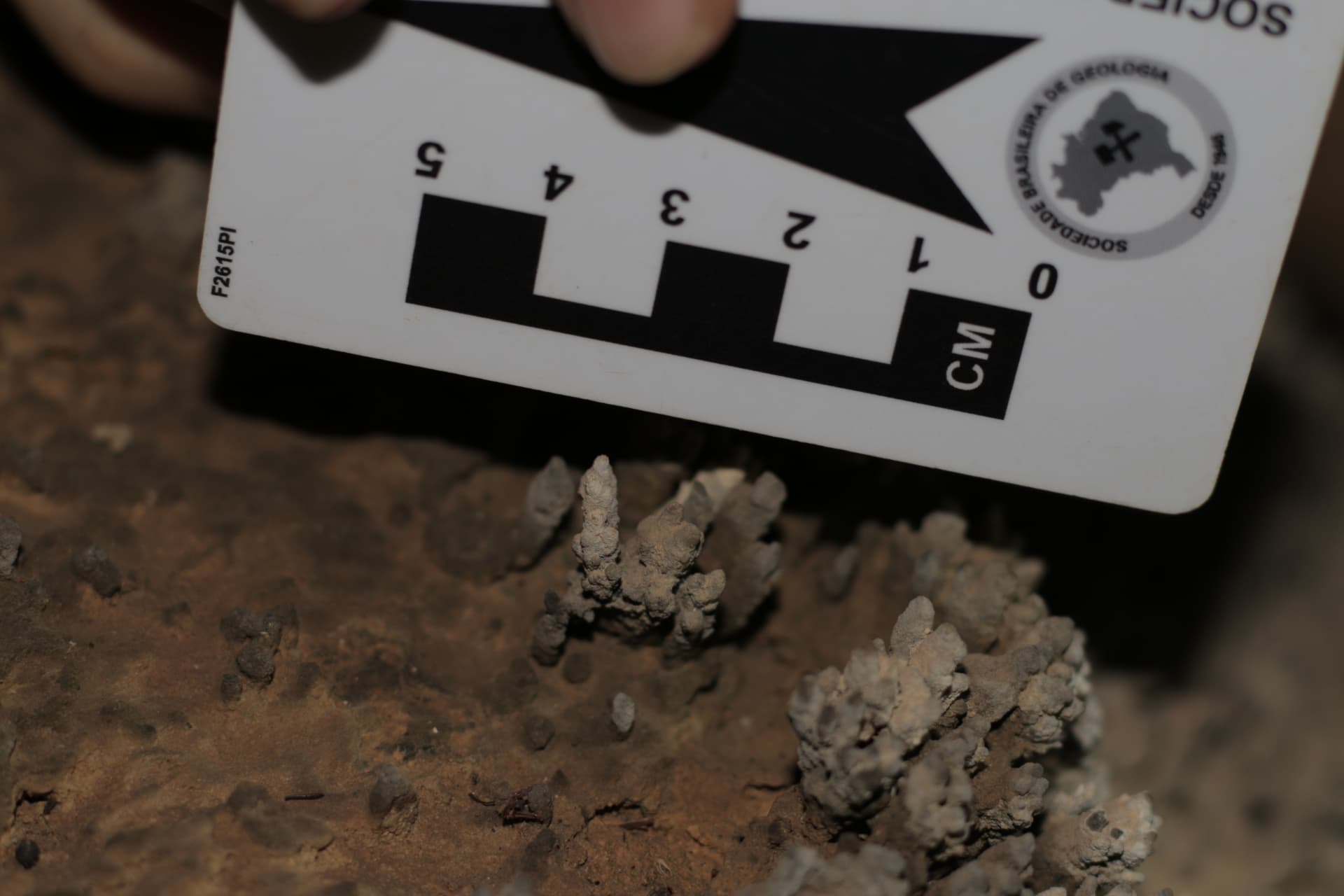
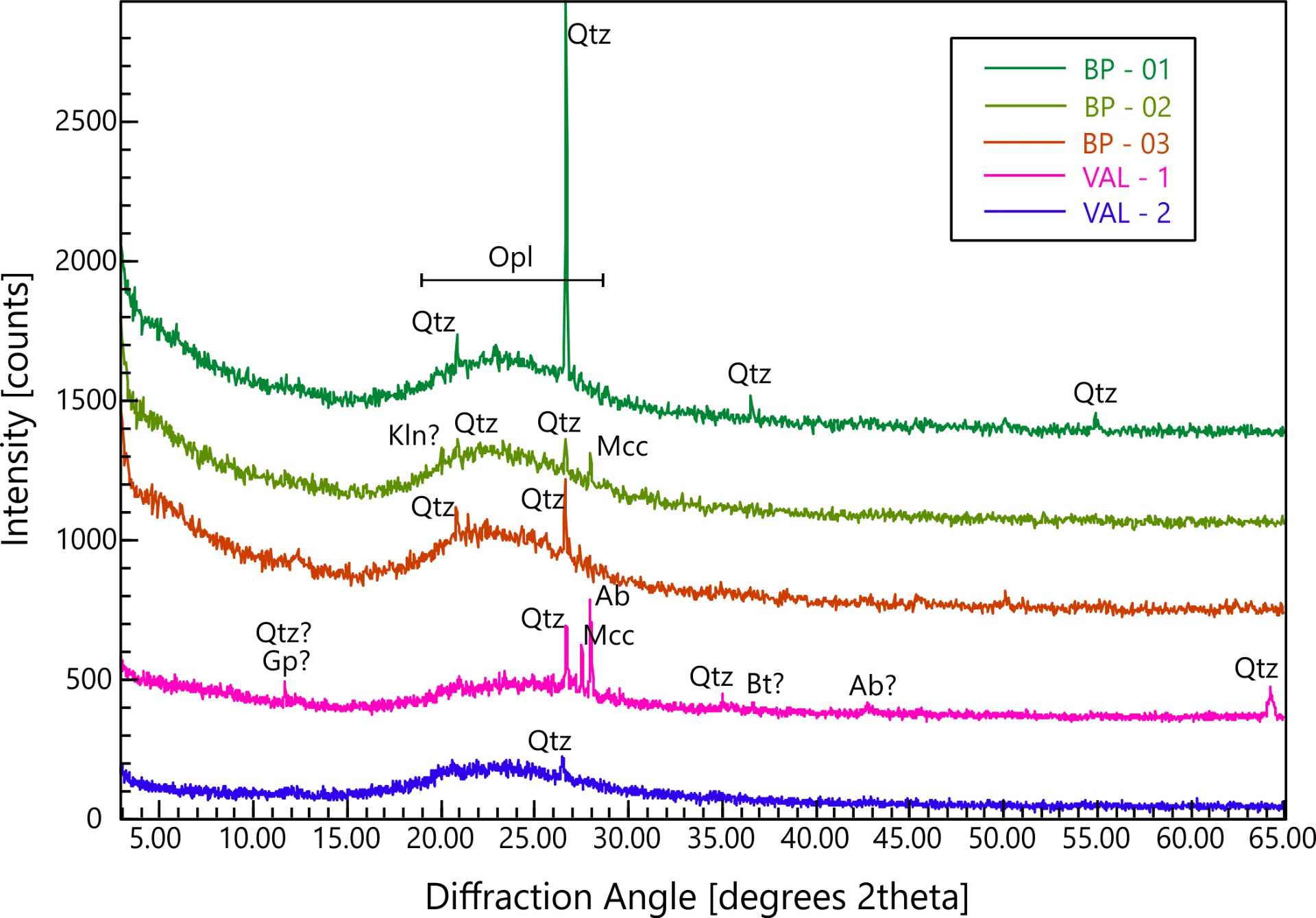
This research line investigates caves developed in granitic and gneissic rocks of southeastern Brazil, with a particular focus on their speleothems, mineralogical diversity, and potential biosignatures. Unlike caves formed in soluble rocks such as limestone, these cavities develop through different geological processes and may host unusual mineral assemblages and features potentially associated with microbial activity.
Beyond their significance for understanding terrestrial cave formation and the interaction between microorganisms and minerals, these environments may provide valuable analogues for caves developed in igneous rocks on the Moon and Mars. Studying them can help inform the search for biosignatures and improve our understanding of the potential preservation of evidence of life beyond Earth.
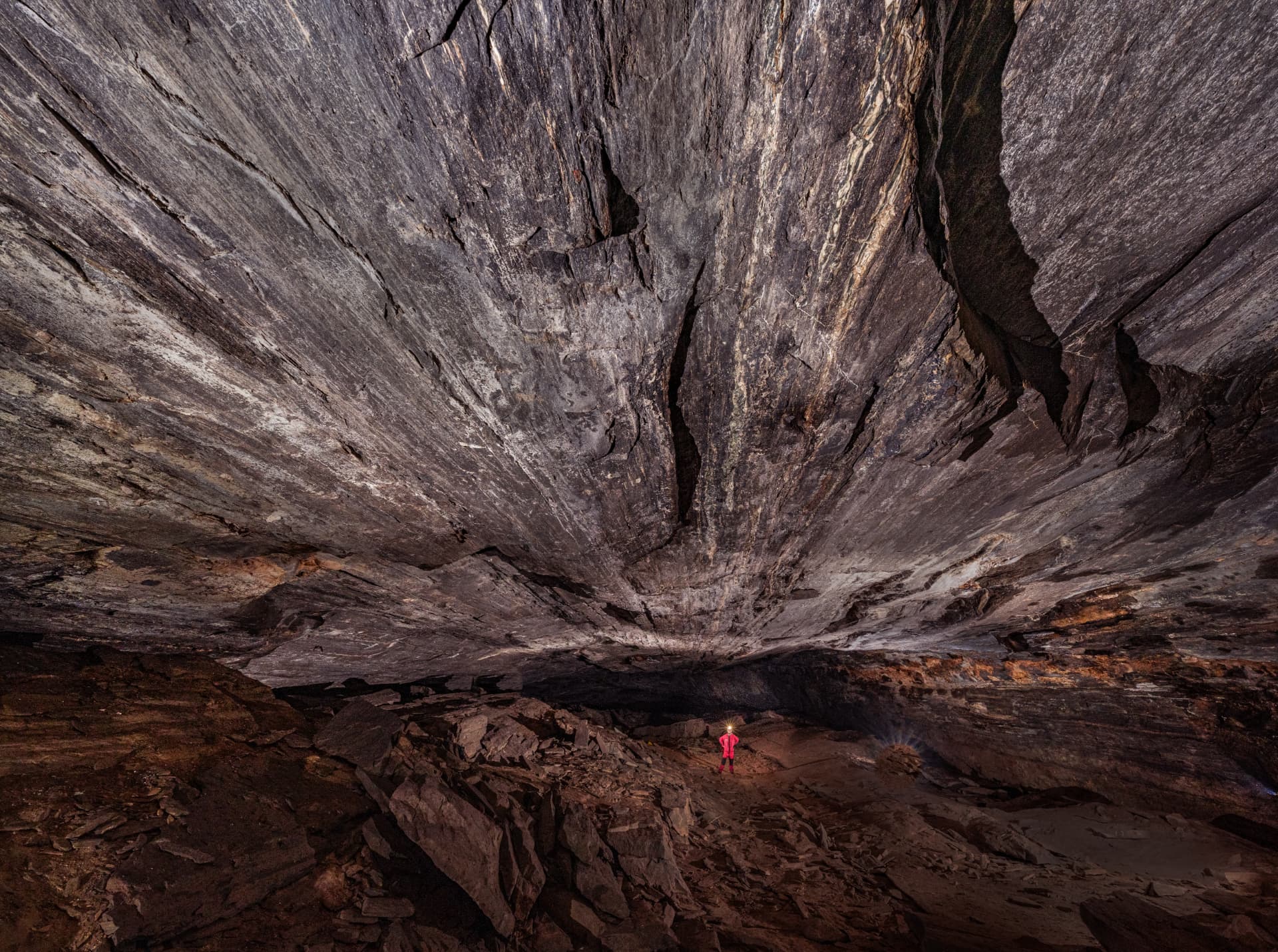 Photo: Kevin Downey
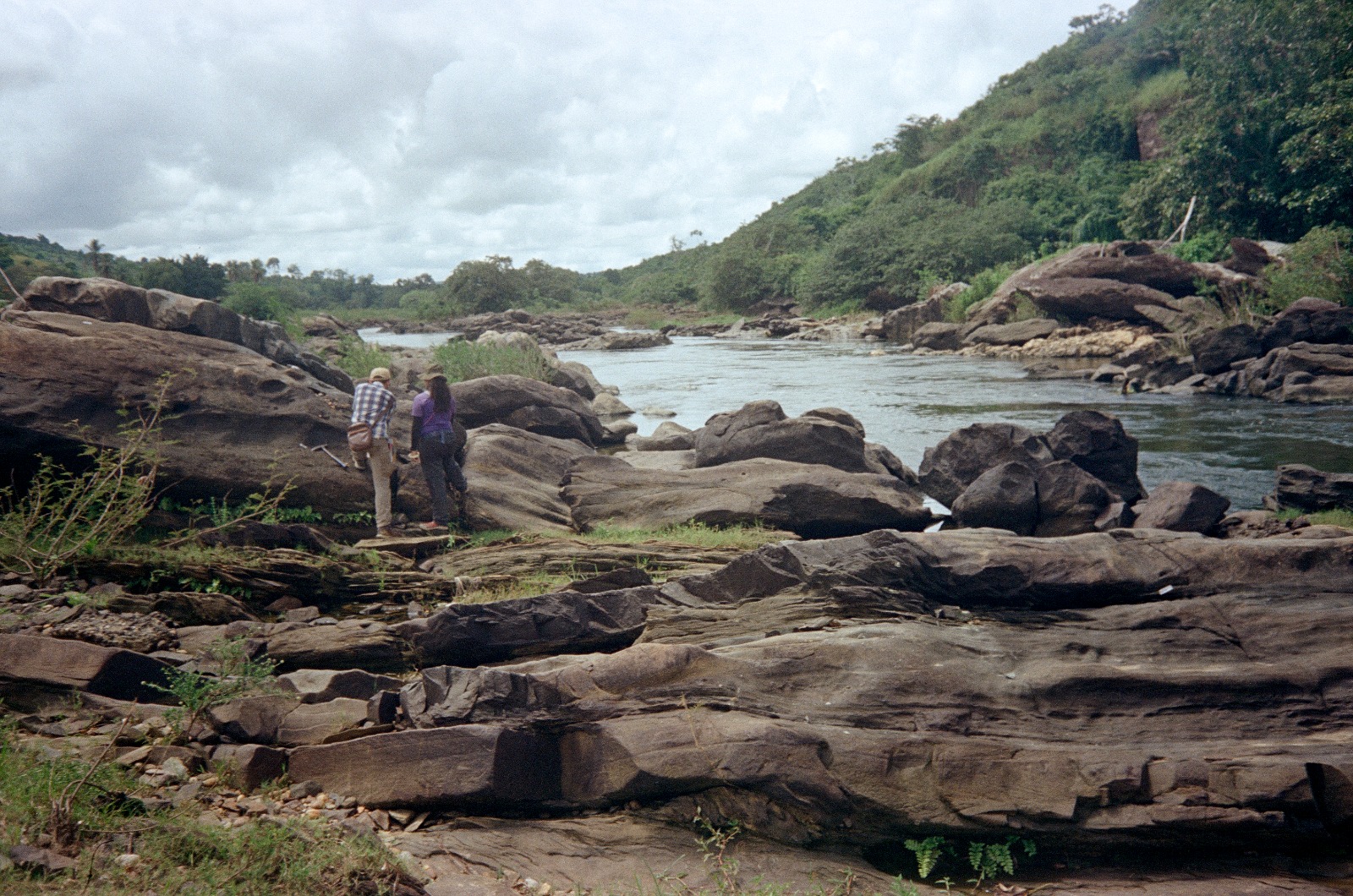
The Rio Pardo Group in NE Brazil: A new Cryogenian frontier
The Rio Pardo Group in northeastern Brazil preserves a sedimentary record of the Neoproterozoic, including evidence of Cryogenian glaciations and important eukaryotic microfossils. Together, these features make the succession a promising archive for investigating the environmental conditions and biological evolution of the Cryogenian world.
As part of my postdoctoral research, I combine sedimentology, geochronology, and isotope geochemistry to reconstruct the depositional history and paleoenvironmental evolution of these rocks. My goal is to better constrain the timing and nature of glacial events, understand changes in ocean chemistry, and explore the broader implications of this succession for the Cryogenian record.